
As our cities grow, we often find ourselves surrounded by concrete and steel, far from the natural environments humans are used to. Biophilic design is a way to bring nature back into our everyday spaces, helping us feel better and live healthier lives. Let us explore what biophilic design is, why it is good for us, and how we can use it in different places.
What is Biophilic Design?
Biophilic design comes from the idea of biophilia, which means a love of nature. This design style tries to make buildings and indoor spaces feel more natural. It includes natural light, plants, water features, and materials like wood and stone. By adding these elements, biophilic design helps us feel more connected to nature.
Why is Biophilic Design Good for Us?
Bringing natural elements into our homes and workplaces has many benefits:
Better Mood and Less Stress: Natural light and greenery can make us feel happier and less stressed. Being around nature helps us relax.
More Productivity: People working in spaces with natural elements tend to be more productive and creative. They feel less tired and can focus better.
Cleaner Air: Plants help clean the air by absorbing pollutants and producing oxygen, which can help us breathe easier and stay healthy.
Faster Healing:In hospitals, patients recover faster when they have access to natural light and views of nature. They often need less pain medication and have shorter hospital stays.
Key Elements of Biophilic Design
Biophilic design uses three main strategies: direct experience, indirect experience, and creating a sense of space and place.
Direct Experience of Nature: This means adding natural elements directly into the building.
Natural Light: Use big windows and skylights to let in lots of sunlight.
Plants: Place indoor plants, create green walls, or have rooftop gardens.
Water: Include fountains, aquariums, or small indoor waterfalls.
Indirect Experience of Nature: These are ways to remind us of nature without directly including it.
Natural Materials: Use wood, stone, and other natural materials in the design.
Nature Art: Add pictures of landscapes, plants, and animals.
Colours and Textures: Use colours and textures that resemble those found in nature.
Creating a Sense of Space and Place: Design spaces that feel safe and connected to nature.
Prospect and Refuge: Make areas with wide views (prospect) and cozy corners (refuge) to create comfort.
Biomimicry: Design buildings and systems that imitate natural processes and forms.
How to Use Biophilic Design
Biophilic design can be used in many places, from homes and offices to hospitals and cities. Here are some simple ideas:
Homes: Add big windows for more natural light, use natural materials like wood, create indoor gardens or green walls, and design outdoor living areas.
Offices: Place plants around the office, ensure workspaces get natural light and have views of the outdoors, and create break areas with natural elements.
Hospitals: Design patient rooms with large windows and views of nature, use calming colours and natural materials, and include gardens or green spaces for patients and visitors.
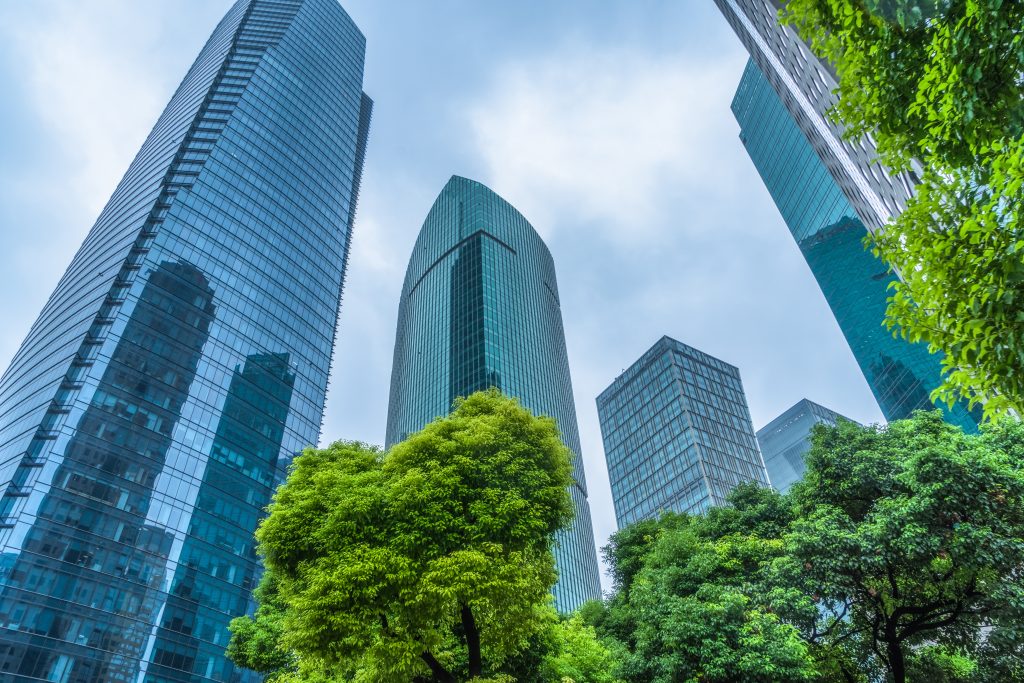
Cities: Develop green roofs and walls on buildings, create public parks, and plan cities with plenty of green spaces for people to enjoy.
In conclusion, biophilic design is not just a trend; it is a better way to design our buildings and cities. By bringing nature into our indoor spaces, we can improve our health, happiness, and overall quality of life. As our cities continue to grow, using biophilic design will help us stay connected to nature and create healthier, more enjoyable environments.