
As the world’s urban population continues to increase, the necessity for sustainable urban planning has never been more critical. Sustainability in urban planning focuses on creating cities that are resilient, liveable, and capable of thriving in the face of environmental, social, and economic challenges. This approach aims to balance the needs of the present without compromising the ability of future generations to meet their own needs.
The Pillars of Sustainable Urban Planning
Sustainable urban planning is built upon three fundamental pillars: environmental sustainability, social equity, and economic viability.
Environmental Sustainability:
Incorporating parks, gardens, and green roofs enhances the beauty of urban areas, improves air quality, reduces urban heat islands, and supports biodiversity. Additionally, sustainable cities prioritise renewable energy sources, water conservation, and waste reduction. Utilising solar panels, wind turbines, and efficient public transportation systems can significantly reduce a city’s carbon footprint.
Moreover, designing infrastructure that can withstand natural disasters like floods, earthquakes, and hurricanes is crucial. This includes building levees, enhancing drainage systems, and constructing buildings that can endure extreme weather conditions.
Social Equity:
Ensuring that all community members have a voice in the planning process is essential. This includes marginalised groups who often bear the brunt of environmental degradation. In addition, creating a mix of affordable housing options for all income levels helps prevent displacement and supports a diverse community. Lastly, proximity to schools, healthcare, parks, and public transportation enhances the quality of life for all residents, reducing the socio-economic divide.
Economic Viability:
Sustainable cities foster green industries and innovation, creating new job opportunities in renewable energy, sustainable construction, and technology sectors. Additionally, supporting local businesses and markets not only boosts the local economy but also reduces the environmental impact associated with transporting goods over long distances.
Mixed-use developments that combine residential, commercial, and recreational spaces reduce the need for extensive commuting, saving time and energy.
Case Studies of Sustainable Urban Planning
Copenhagen, Denmark:
Copenhagen is often hailed as a model of sustainable urban planning. The city aims to become carbon neutral by 2025, with over 50% of its residents commuting by bike. Extensive use of wind power and district heating systems significantly reduces its carbon footprint.
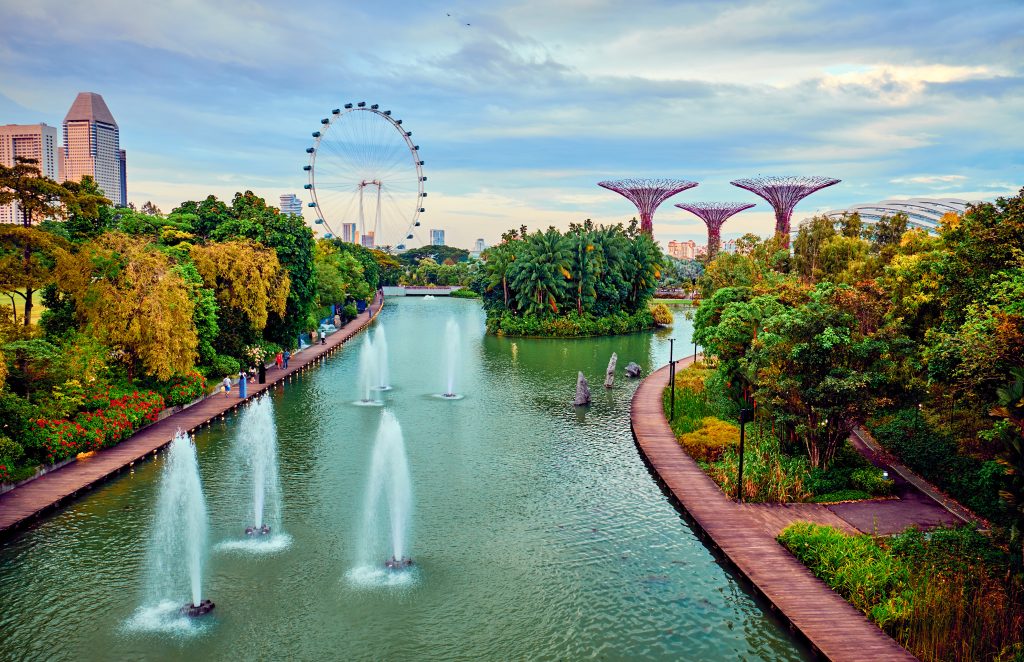
Singapore:
Singapore has integrated sustainability into its urban fabric through initiatives like the Green Plan, which focuses on green building standards, efficient waste management, and water conservation. The city-state’s emphasis on vertical greenery and smart technology exemplifies innovative sustainable urban living.
Portland, Oregon, USA:
Portland has long been a pioneer in sustainable urban planning. The city’s Urban Growth Boundary limits urban sprawl, preserving natural landscapes and promoting higher-density living. Portland also boasts an extensive network of bike lanes and public transportation options.
The Future of Sustainable Urban Planning
The future of sustainable urban planning lies in the integration of smart technologies and community-driven initiatives. Cities are increasingly adopting smart grids, IoT devices, and data analytics to optimise resource use and improve urban services. Moreover, community engagement and education are essential for fostering a culture of sustainability.
Smart Cities: Using technology to monitor and manage energy use, traffic flow, and waste can lead to more efficient and sustainable urban environments. For example, smart grids can balance energy loads and reduce waste, while smart traffic management can minimise congestion and pollution.
Community Engagement: Educating residents about sustainability and involving them in decision-making processes ensures that initiatives are supported and maintained. Community gardens, local clean-up events, and sustainability workshops can empower residents to contribute actively to their city’s sustainability goals.
In conclusion, sustainable urban planning is not a one-size-fits-all approach but rather a tailored strategy that considers the unique environmental, social, and economic contexts of each city. By prioritising environmental sustainability, social equity, and economic viability, urban planners can create resilient and liveable cities that thrive today and in the future. As we face the challenges of climate change, population growth, and resource scarcity, sustainable urban planning will be key to ensuring that our cities remain vibrant and habitable for generations to come.