
Architecture is more than just designing buildings; it is about creating spaces that reflect values, enhance lives, and stand the test of time. As architects navigate the complexities of their profession, they must constantly balance the needs of their clients with their own professional integrity. This delicate balance is the cornerstone of architectural ethics, guiding architects in making decisions that are not only aesthetically pleasing and functional but also morally sound.
The Core Principles of Architectural Ethics
Architectural ethics revolve around several core principles, including responsibility, honesty, transparency, and respect for the public and the environment. These principles help architects maintain a high standard of practice while ensuring that their work benefits society as a whole.
Additionally, architects have a duty to their clients, the public, and the environment. This includes designing safe, sustainable, and functional structures that meet the needs of all stakeholders. Moreover, architects must provide accurate information and truthful representations of their capabilities, project costs, timelines, and potential outcomes. Furthermore, open communication with clients and other stakeholders is crucial. Architects should disclose any conflicts of interest and ensure that all parties understand the scope and implications of a project. Lastly, architects must consider the broader impact of their designs on communities and the natural environment. This includes adhering to zoning laws, building codes, and sustainability practices.
Balancing Client Needs and Professional Integrity
The first step in balancing client needs with professional integrity is understanding what the client wants. This involves active listening, asking pertinent questions, and developing a clear brief that outlines the client’s requirements, preferences, and constraints. Secondly, once the client’s needs are understood, it is important to set realistic expectations regarding what can be achieved within the given budget, timeline, and regulatory framework. This may involve educating clients about potential challenges and limitations.
Thirdly, while it is important to meet client needs, architects must also uphold their design principles and professional standards. This means advocating for solutions that are not only aesthetically pleasing but also functional, sustainable, and ethical. Fourth, conflicts of interest can arise when an architect’s personal or financial interests clash with their professional duties. Transparency and open communication are key to managing these conflicts. Architects should disclose any potential conflicts to their clients and seek to resolve them in a way that maintains trust and integrity.
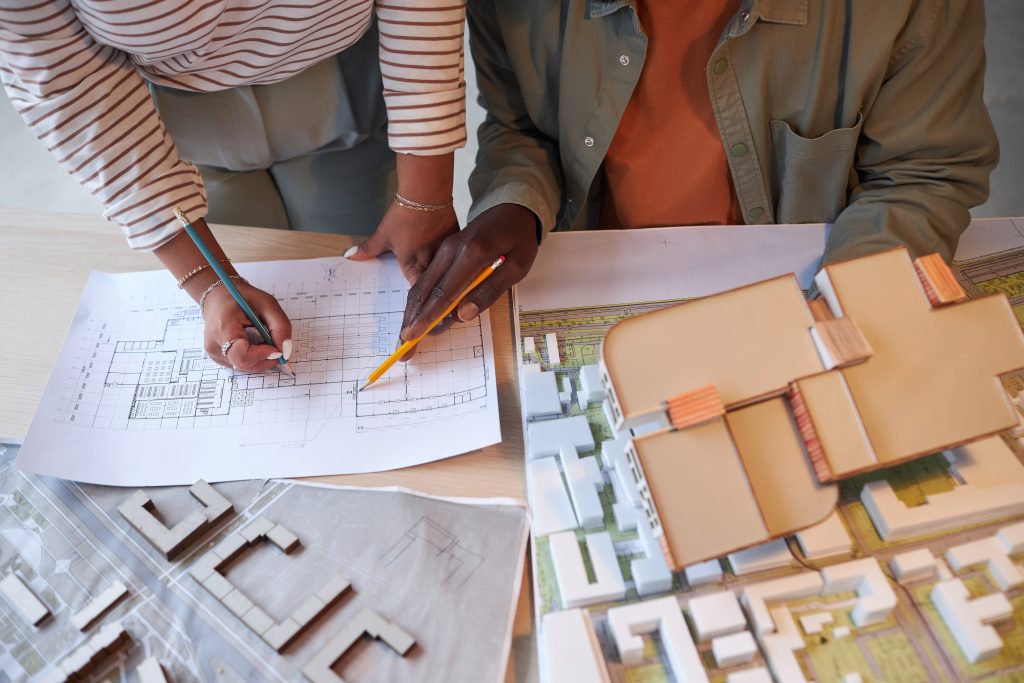
Fifth, architects have a responsibility to consider the environmental impact of their designs. This includes using sustainable materials, incorporating energy-efficient systems, and designing buildings that contribute positively to the community. Balancing these considerations with client demands requires a commitment to long-term thinking and ethical decision-making. Lastly, the field of architecture is constantly evolving, with new technologies, materials, and sustainability practices emerging regularly. Architects must stay informed about these developments and incorporate them into their practice, ensuring that they can offer the best solutions to their clients while adhering to ethical standards.
Case Studies in Architectural Ethics
To illustrate the balance between client needs and professional integrity, let us examine a few case studies:
The Sydney Opera House: Designed by Jørn Utzon, the Sydney Opera House faced significant challenges during its construction, including budget overruns and design changes. Utzon’s commitment to his vision and professional integrity eventually led to the creation of one of the most iconic buildings in the world, demonstrating the importance of balancing client demands with a steadfast dedication to quality and innovation.
The Salk Institute for Biological Studies: Louis Kahn’s design for the Salk Institute is a testament to how architects can balance client needs with professional integrity. Kahn worked closely with Jonas Salk to create a building that was not only functional for scientific research but also aesthetically inspiring, showcasing the harmony between client collaboration and architectural excellence.
Conclusion
Balancing client needs and professional integrity is a fundamental aspect of architectural ethics. By adhering to core principles of responsibility, honesty, transparency, and respect for the public and the environment, architects can create designs that meet client expectations while upholding their professional standards. This balance ensures that architecture continues to enhance lives, respect communities, and stand as a testament to human creativity and ethical responsibility.
As the architectural profession continues to evolve, the importance of ethical practice will only grow. Architects must remain vigilant in their commitment to balancing client needs with professional integrity, ensuring that their work contributes positively to the built environment and society as a whole.