
Climate change is one of the most pressing issues of our time, and the fight to slow it down requires innovative solutions. Interestingly, one of the most effective solutions already exists in nature: forests. These vast, green expanses do much more than provide habitat for wildlife and resources for humans—they play a crucial role in mitigating the effects of climate change. But how exactly do forests help in this global fight?
1. Forests absorb carbon dioxide
Forests are often referred to as “carbon sinks” because they absorb carbon dioxide (CO2), one of the primary greenhouse gases driving climate change. Trees use CO2 during photosynthesis to grow, storing the carbon in their trunks, branches, leaves, and roots. Globally, forests absorb about one-third of the CO2 emitted by human activities each year, making them one of the most effective natural solutions to reduce atmospheric CO2 levels.
2. Forests store carbon for a long time
Trees store the carbon they absorb, keeping it locked away for years or even centuries. Old, large forests are especially important because they have been storing carbon for a very long time. This stored carbon remains locked away, preventing it from contributing to the greenhouse effect.
3. Helping ecosystems stay healthy
Forests are home to many different species of plants and animals. This biodiversity makes ecosystems stronger and better at adapting to changes in the environment, which is important as the climate changes. Healthy forests with diverse species are better able to adapt to changes in temperature, precipitation, and other environmental conditions, which in turn helps stabilise the climate by keeping ecosystems intact and functional.
4. Regulating water and preventing floods
Forests play a vital role in the water cycle by regulating water flow and maintaining water quality. Forests absorb rainfall, which helps reduce the risk of floods and droughts—both of which are increasing in frequency due to climate change.
5. Cooling the planet
Trees cool the air through a process called transpiration, where they release water vapour. Forests also provide shade, helping to reduce temperatures in nearby areas.
6. Fighting desertification
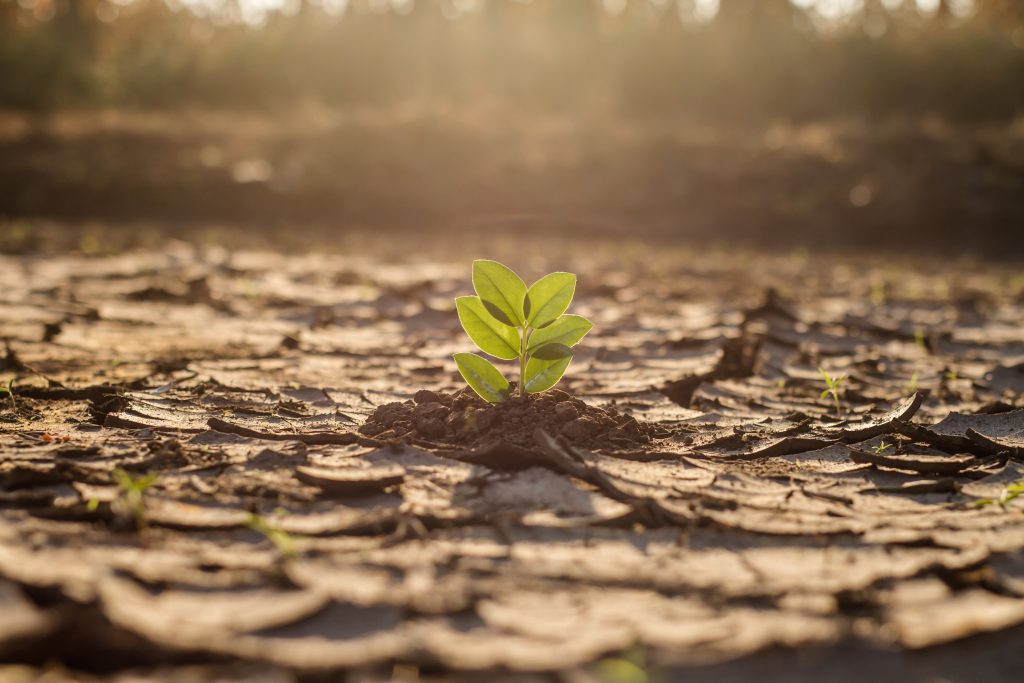
In areas at risk of becoming deserts, planting trees can help restore the land. This helps fight climate change by encouraging plants to grow and absorb carbon from the air.
7. Providing sustainable livelihoods
Many people rely on forests for their livelihoods. By sustainably managing forests, we can help people earn a living while also protecting the environment. Sustainable forest management allows communities to benefit economically while protecting the ecosystem services that forests provide.
8. Preventing further emissions from deforestation
Deforestation, primarily driven by agriculture, logging, and urbanisation, releases the carbon stored in trees back into the atmosphere. In fact, deforestation accounts for about 10% of global greenhouse gas emissions. Protecting existing forests and restoring degraded ones can significantly reduce these emissions and help slow down climate change.
To conclude, forests are one of our best allies in the fight against climate change. They absorb carbon, cool the planet, and protect biodiversity. By protecting forests and planting new ones, we can help slow down global warming and create a healthier world for future generations.
To help fight climate change, support organisations dedicated to reforestation, avoid products that contribute to deforestation and advocate for policies that protect forests worldwide. Every effort counts, and together, we can harness the power of forests to combat climate change.