
Plastic pollution is a growing problem that affects our entire planet. Each year, millions of tons of plastic end up in our oceans, rivers, and landfills, harming wildlife, damaging ecosystems, and even affecting our health. But how did we get here, and what can we do to stop it?
The scale of the problem
Plastic is everywhere. We use it for bags, bottles, packaging, and more. The issue is that plastic takes hundreds of years to break down. When it does, it turns into tiny pieces called microplastics. These microplastics have been found in our oceans, food, and even the air we breathe.
Here are some key facts about plastic pollution:
- We produce over 380 million tons of plastic each year.
- Only 9% of plastic gets recycled.
- Over 100 million marine animals die every year from plastic and pollution.
Why is plastic so harmful?
Plastic does not break down. It lasts for hundreds of years, making it a long-term problem. Additionally, it harms animals. Animals can get trapped in plastic or mistake it for food, which can be deadly. Moreover, plastic also affects humans. Tiny plastic particles enter our food and water, and we do not yet know the full impact on human health.
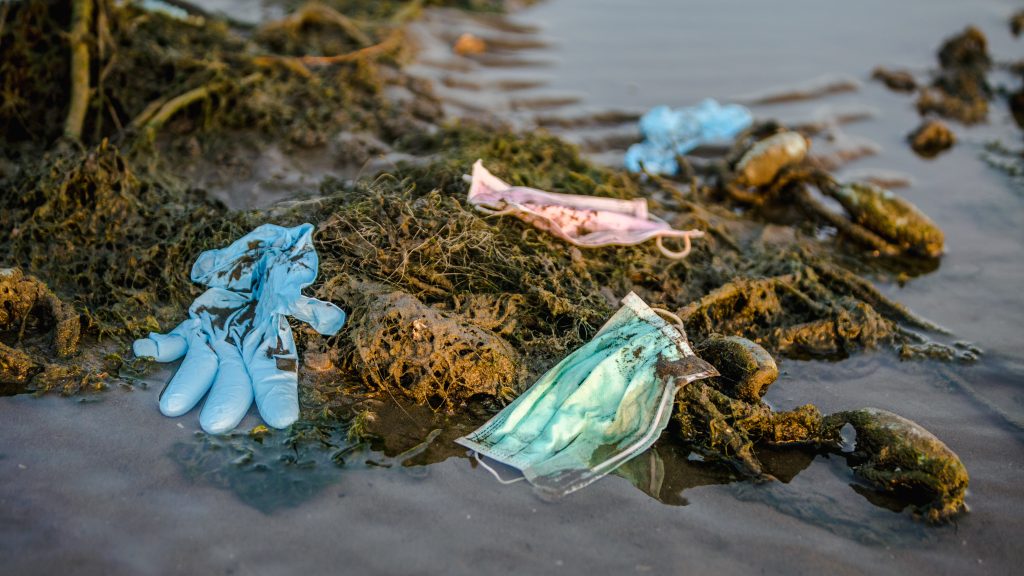
Main sources of plastic pollution
Some main sources of plastic pollution are single-use plastics, like bags, straws, and packaging which are used once and thrown away. Another source is poor waste management. Plastic waste is not properly collected or managed in many places, leading to more pollution. Similarly, factories that use plastic often do not handle their waste properly, adding to the problem.
How we can fight plastic pollution
While plastic pollution is a huge issue, there are ways we can help solve it:
First, use less plastic. Start by cutting down on single-use plastics. Many countries and businesses are banning plastic bags, straws, and other throwaway items. Second, recycle more. Better recycling systems and public awareness can help reduce the amount of plastic waste. We need to recycle more and recycle properly.
Third, switch to alternatives. Scientists are developing eco-friendly alternatives to plastic, like materials made from plants. These alternatives could help reduce the use of traditional plastic. Fourth, work together globally. Plastic pollution is a worldwide problem. Countries need to work together to create better rules and solutions to stop the spread of plastic waste.
Last, raise awareness. Educating people about the dangers of plastic pollution can inspire action. The more people know the more they can help reduce plastic use.
What can you do?
As individuals, we can make a difference too. Here are a few simple things you can do to help:
- Use reusable bags, bottles, and containers instead of single-use plastic.
- Recycle properly to make sure plastic is disposed of the right way.
- Join community clean-ups to help remove plastic waste from public spaces.
- Support brands that care about reducing plastic waste.
To conclude, plastic pollution is a serious issue, but we can do something about it. By reducing plastic use, recycling more, and supporting eco-friendly alternatives, we can make a difference. Together, we can protect the environment and create a cleaner, healthier world.