
Colour is a powerful tool wielded by architects to evoke emotions, create ambience, and shape perceptions within architectural spaces. Beyond mere aesthetics, the selection and application of colour in architectural design are deeply rooted in the principles of psychology. Understanding how colour influences human behaviour and emotions allows architects to craft spaces that resonate with their inhabitants on a profound level.
The Influence of Colour on Emotion
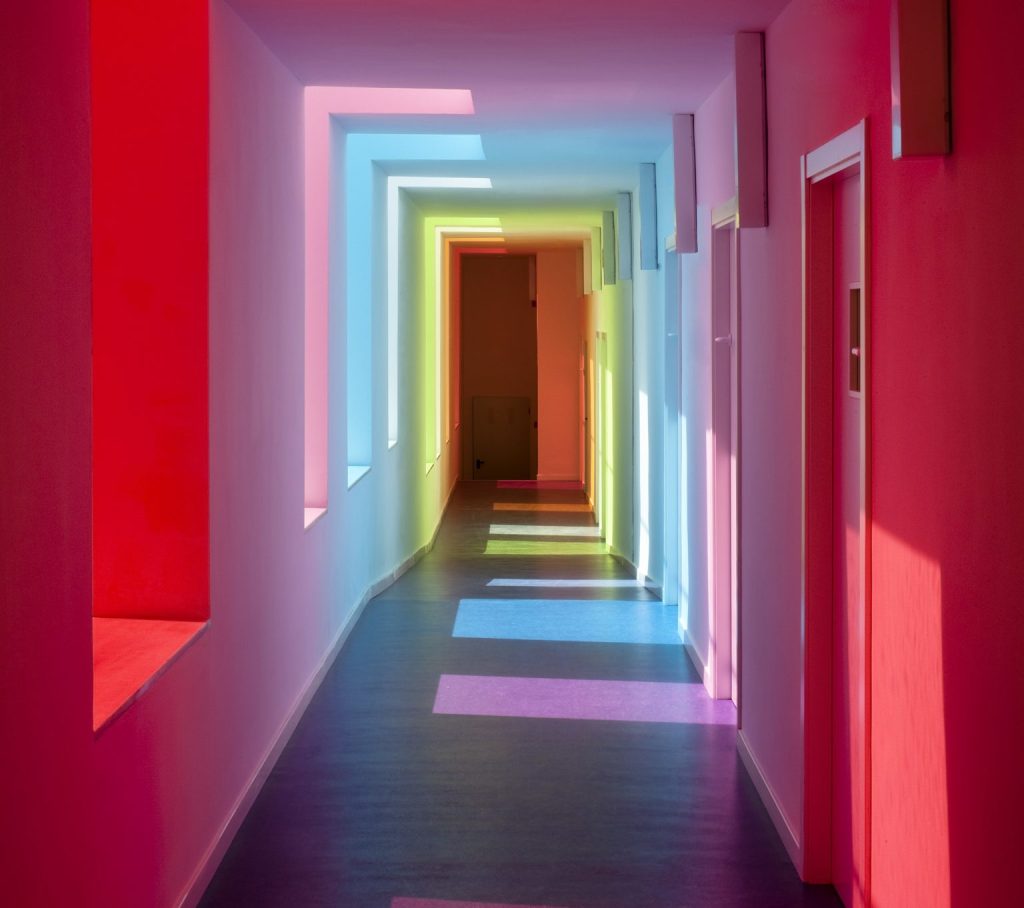
Colour psychology examines how different colours evoke specific emotional responses in individuals. For instance, warm colours like reds, oranges, and yellows are often associated with energy, warmth, and passion. In architectural design, these hues can be strategically incorporated into spaces to create a sense of vitality and dynamism. Conversely, cool colours such as blues, greens, and purples evoke feelings of calmness, serenity, and stability. Architects may use these tones to foster a tranquil atmosphere in areas like bedrooms, spas, or meditation rooms. Colour also plays a crucial role in shaping perceptions of space. Lighter shades tend to make rooms feel more expansive and airier, while darker tones can add a sense of intimacy and coziness. By manipulating colour palettes, architects can alter the perceived dimensions of a space, optimizing its functionality and visual appeal.
Cultural and Symbolic Associations
In addition to eliciting emotional responses, colours carry cultural and symbolic significance that can influence their interpretation within architectural contexts. For example, white is often associated with purity and simplicity in Western cultures, making it a popular choice for modernist architectural designs. In contrast, cultures like China may associate white with mourning and death, leading architects to consider alternative colour schemes to avoid cultural insensitivity. Similarly, certain colours hold symbolic meanings that resonate with specific architectural themes or narratives. For instance, the use of earthy tones like browns and greens can evoke a sense of harmony with nature, aligning with the principles of sustainable architecture. Symbolic colours can also be employed to reflect cultural identities or convey thematic messages within architectural projects, adding layers of depth and significance to the built environment.
Creating Harmonious Environment
Successful architectural design requires careful consideration of colour harmony and balance. Architects employ various colour schemes, such as complementary, analogous, or monochromatic palettes, to achieve visual cohesion and harmony within a space. By understanding colour theory principles, architects can ensure that their colour choices enhance the overall aesthetic appeal and functionality of a building. Moreover, architects often collaborate with interior designers, graphic artists, and lighting specialists to integrate colour seamlessly throughout a project. Lighting, in particular, can significantly influence the perception of colour within a space, with natural light enhancing vibrancy and artificial lighting allowing for dramatic effects and mood modulation.
Architects use colour to evoke feelings, convey messages, and change how people see space. They think about how colours work together and what they mean culturally. This helps them create spaces that are both enjoyable and meaningful for people. Colour psychology is a key part of architecture, blending art and science to open up endless creative opportunities.