
In the evolving landscape of construction, technology continues to revolutionise traditional practices. Among these technological advancements, drones, or Unmanned Aerial Vehicles (UAVs), stand out as a game-changer. Drones are transforming how construction sites are managed, offering numerous benefits that enhance efficiency, safety, and productivity.
Enhanced Surveying and Mapping
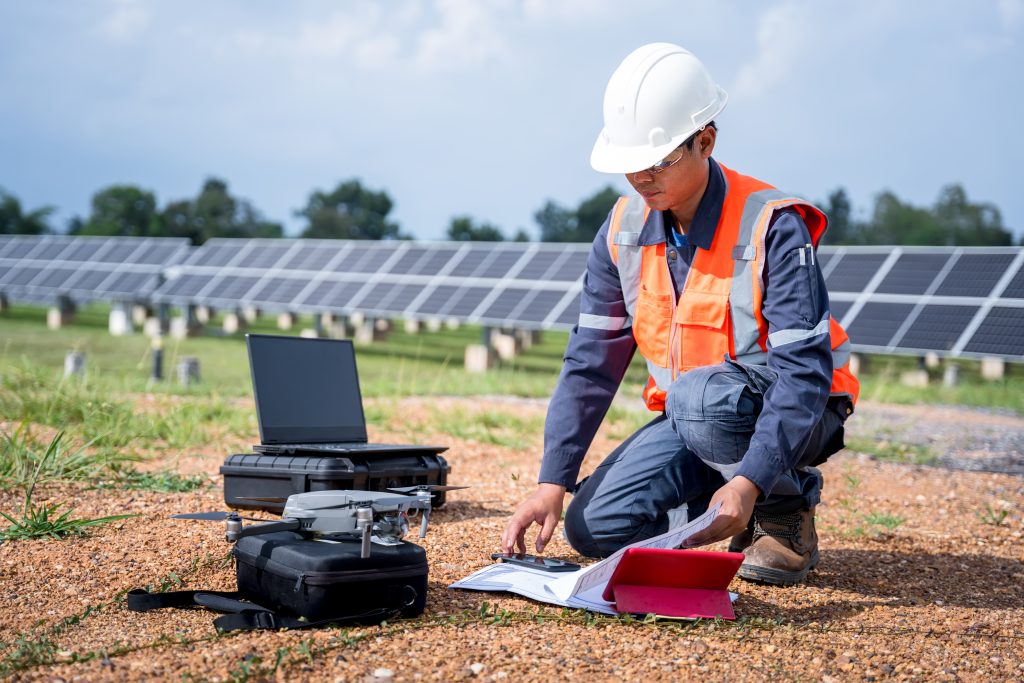
One of the most significant advantages of drones in construction is their ability to conduct detailed and accurate site surveys. Traditional surveying methods can be time-consuming and labour-intensive. In contrast, drones equipped with high-resolution cameras and LiDAR sensors can quickly capture aerial images and data, creating precise topographic maps and 3D models. This allows project managers to gain a comprehensive understanding of the site’s layout, identify potential issues, and plan accordingly.
Improved Project Monitoring and Progress Tracking
Drones provide a bird’s-eye view of the construction site, enabling real-time monitoring and progress tracking. By flying over the site and capturing regular footage, drones can document the project’s development from start to finish. This visual data helps project managers ensure that the construction is on schedule and adheres to the planned design. Additionally, it facilitates communication among stakeholders, as the visual updates can be shared easily with clients, architects, and contractors.
Enhanced Safety and Risk Management
Safety is a paramount concern on construction sites. Drones contribute significantly to improving safety standards by reducing the need for workers to access hazardous areas. For instance, drones can inspect high structures, scaffolding, and rooftops, minimising the risk of falls and accidents. Moreover, they can identify potential safety hazards, such as weak structures or unstable terrain, allowing for timely intervention and risk mitigation.
Efficient Site Inspection and Quality Control
Quality control is crucial in construction to ensure that the work meets the required standards. Drones equipped with thermal imaging cameras can inspect structures for defects, such as cracks, leaks, or insulation gaps. They can also monitor the quality of materials and workmanship, providing detailed reports that help in maintaining high construction standards. This level of analysis ensures that issues are detected early, reducing the likelihood of costly rework.
Cost and Time Savings
The efficiency of drones translates directly into cost and time savings for construction projects. Drones shorten the overall project timeline by speeding up surveying, inspection, and monitoring processes. The real-time data and insights provided by drones enable quicker decision-making and problem-solving, preventing delays and budget overruns. Additionally, the reduced need for manual labour in hazardous tasks lowers labour costs and minimises the risk of injuries, leading to lower insurance premiums.
Environmental Impact and Sustainability
Drones also contribute to sustainable construction practices. By optimising site surveys and reducing the need for heavy machinery, drones lower the carbon footprint of construction projects. They can also monitor environmental conditions, such as soil erosion or vegetation health, ensuring compliance with environmental regulations and promoting eco-friendly construction methods.
Future Prospects and Innovations
The future of drones in construction looks promising, with ongoing advancements in drone technology and applications. Innovations such as autonomous drones, improved battery life, and advanced AI algorithms for data analysis will further enhance the capabilities of drones in construction site management. As regulations evolve and become more favourable, the integration of drones into construction processes is expected to become more widespread and sophisticated.
To conclude, drones have undeniably become an invaluable tool in construction site management. Their ability to provide accurate data, enhance safety, and improve efficiency makes them indispensable for modern construction projects. As technology continues to advance, the role of drones in construction will only expand, driving the industry towards greater innovation, sustainability, and productivity. Embracing drone technology is not just a trend but a strategic move that can redefine the future of construction.