
In real estate, the phrase “location, location, location” is often repeated for good reason. But what does this mean, and why is location such a vital factor in determining property value? Whether you are buying, selling, or investing in real estate, understanding the role of location can significantly impact your financial decisions. Let us explore the factors that make location a key player in real estate value.
1. Close to amenities
One of the most obvious ways location affects real estate value is by how close it is to essential amenities. Properties close to schools, healthcare facilities, grocery stores, shopping centres, and entertainment options often command higher prices. Easy access to these locations saves time, enhances lifestyle quality, and increases demand for properties in such areas.
2. Transport links and accessibility
Good transport links are crucial. Properties near major roads, highways, and public transportation hubs, such as train or metro stations, usually increase a property’s value. People prefer living in areas where commuting is simple, so properties near transport hubs are usually in higher demand.
3. Neighbourhood quality and safety
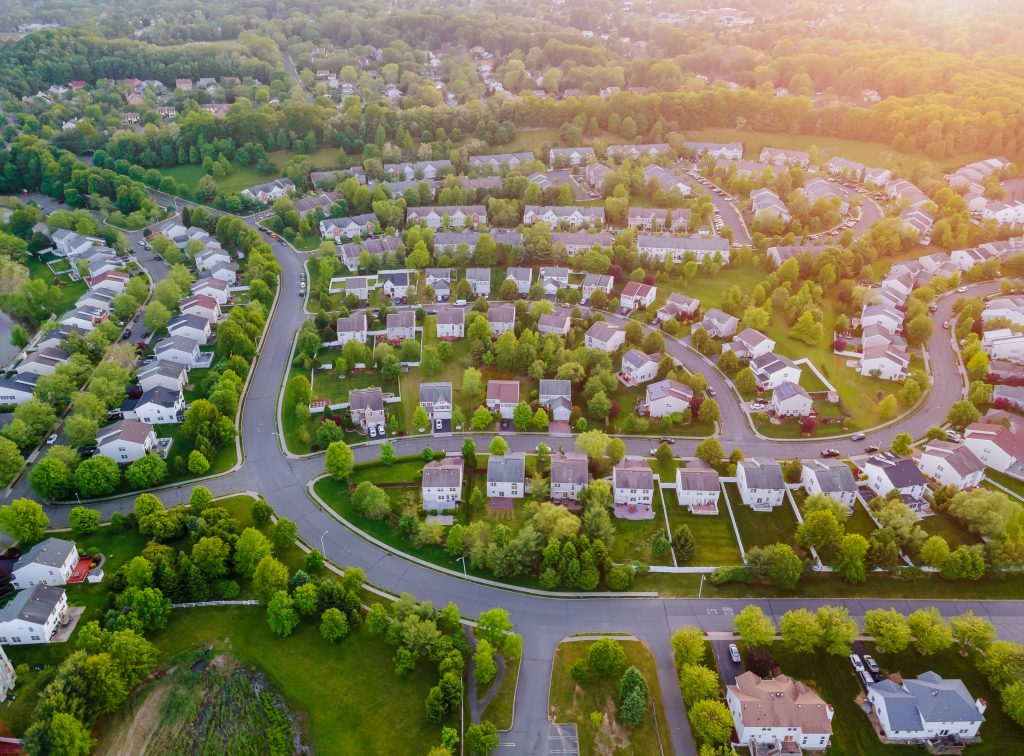
A safe, well-maintained neighbourhood with low crime rates is attractive to homebuyers. These areas offer peace of mind, making them ideal for families and individuals alike. Clean streets, reliable infrastructure, and a strong sense of community all contribute to higher property values in these areas.
4. Scenic views and natural surroundings
Properties that boast scenic views—whether it is a waterfront, a park, or a mountain range—are often more expensive. Natural surroundings not only enhance the beauty of a home but also improve the quality of life. People are willing to pay a premium for the tranquillity and aesthetic value of living near natural attractions.
5. School districts
For families with children, access to high-quality schools is a top priority. Homes located in top-performing school districts can see a significant boost in value, as parents are often willing to pay more to ensure their children receive a good education. Even buyers without children may prefer such areas for the long-term investment potential.
6. Development and future growth potential
Location is not just about the present but also the future. Areas that are expected to grow—whether through infrastructure projects, new business hubs, or residential developments—often see a rise in property values. Investors often look for locations where they expect future growth, knowing that as demand increases, so will property prices.
7. Market trends and regional economy
The overall economic health of a region also plays a role in determining real estate value. A thriving local economy, strong job market, and population growth create high demand for housing, driving up property values. On the other hand, if an area’s economy is struggling, property values may fall. Staying informed about market trends is key when evaluating location.
To conclude, when evaluating a property, it is crucial to remember that while you can renovate or improve a home’s interior, you cannot change its location. The factors that make a location desirable—proximity to amenities, good transport links, safety, scenic surroundings, school districts, and future development potential—are what drive real estate value. Whether you are looking to buy a home or invest in property, focusing on location will help ensure that your investment is sound and holds value over time.